
Amazon FBM with a 3PL: When Self-Fulfilment Wins
FBM is usually framed as the budget option, the thing you do before you can afford FBA. That framing costs sellers money. For oversize goods, slow movers, high-value items and anything caught by restock limits, FBM run through a competent 3PL is not the fallback. It is the better economics.
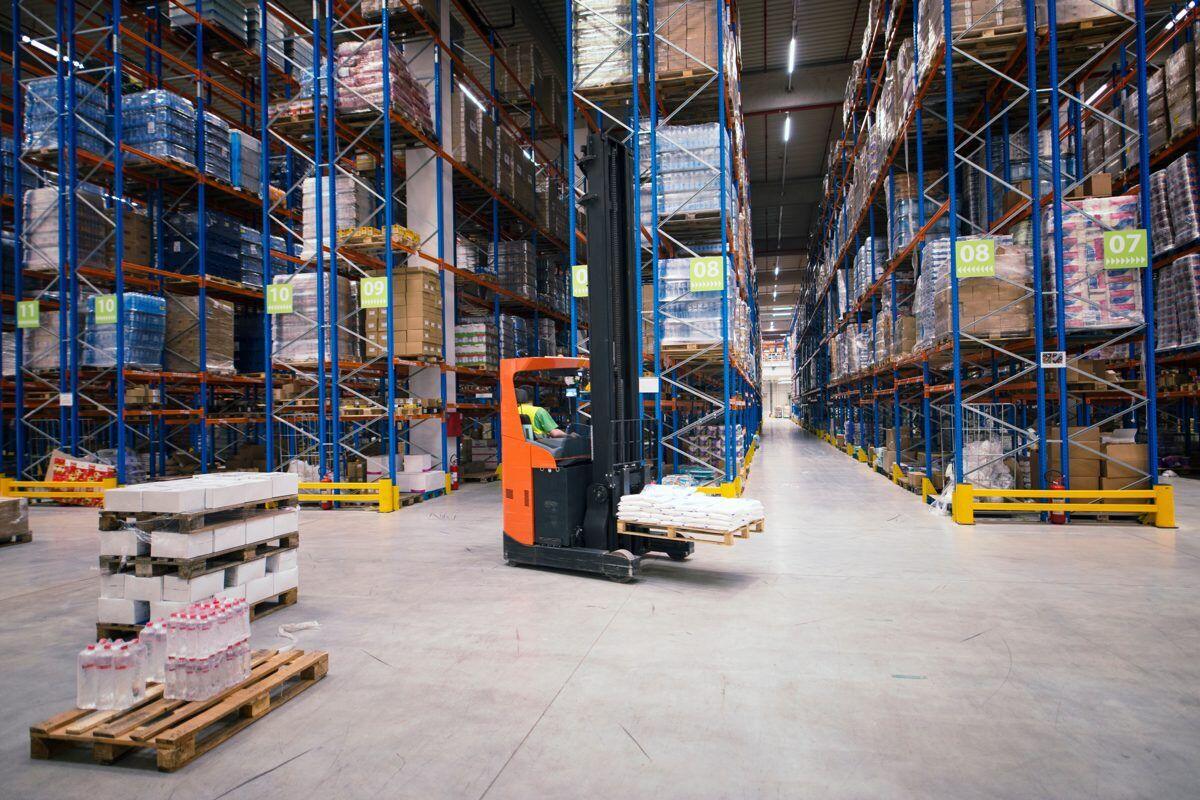
FBM wins on oversize and heavy items, slow movers, high-value goods, and when FBA restock limits cap you. It lives or dies on seller metrics: late shipment rate under 4%, valid tracking over 95%, and a handling time you can actually hold. A 3PL with a same-day cutoff makes those numbers achievable.
What's in this guide
What FBM actually is
Fulfilled by Merchant means you hold the inventory and ship the order when it comes in. Amazon takes its referral fee and stays out of the logistics. In practice most FBM sellers past a certain volume do not ship from their own premises, they use a third-party warehouse that picks, packs and ships on their behalf.
That arrangement is the one worth understanding, because it removes the usual objection to FBM. The reason people avoid it is the operational burden. A 3PL absorbs the burden while leaving you the economics.
The four cases where FBM beats FBA
Oversize and heavy items. FBA fulfillment fees climb steeply with size tier and weight, and oversize storage is expensive. Furniture, bulky homeware and anything awkward to handle often flips to FBM on cost alone.
Slow movers. FBA charges by the month, and the storage utilization surcharge specifically penalises holding stock that is not selling. A product with a long sales cycle bleeds margin in FBA and sits cheaply in a 3PL at $0.50 per cubic foot.
High-value goods. Where a single unit is worth a lot, control over handling, packaging and inspection before dispatch is worth more than the Prime badge.
When restock limits bite. Restock limits cap what you can send into Amazon. They do not apply to your own warehouse. Sellers who hit a limit in Q4 either stop selling or move the surplus to FBM, and the second option is obviously better.
The metrics that decide whether FBM works
This is where FBM sellers actually fail. Amazon judges seller-fulfilled orders on:
- Late shipment rate, which must stay under 4%.
- Valid tracking rate, which must stay above 95%.
- Order defect rate, under 1%.
- Pre-fulfilment cancel rate, under 2.5%.
Miss these and you lose Buy Box share, which costs far more than any fulfillment saving. The practical implication is that your handling time should be what you can hold on your worst day. A reliable one-day handling time beats an aspirational same-day one.
The operational question that decides this is the 3PL's daily cutoff. Orders arriving before it ship that day. Orders after it ship the next. If the cutoff is early, a one-day promise quietly becomes a two-day reality.
Pick and pack economics
FBM cost per order has three parts: the pick and pack charge, the shipping label, and storage on the inventory while it waits. The pick and pack charge is quoted against your order profile, because a single-item order and a six-item order are different jobs.
Where FBM tends to win is the absence of the fixed per-unit FBA fulfillment fee, which does not care whether your product is cheap or expensive, fast or slow. Where it tends to lose is shipping cost on small light items, which is exactly what FBA is optimised for. Model your own SKUs rather than trusting either generalisation. Our margin calculation guide covers the full cost picture.
Running FBM and FBA together
Most mature sellers do not choose. They run FBA for small fast movers where Prime lifts conversion, and FBM for oversize, slow and capped inventory. The complication is inventory: two channels, two stock pools, two forecasts, and the reliable discovery that you are out on one while overstocked on the other.
The way around that is to hold one pool and feed both from it, sending FBA only what it will sell in the next few weeks and shipping everything else directly. That is how our US fulfillment works: one inventory pool serving Amazon FBM, FBA replenishment, Walmart, eBay and your own store.
What to ask a 3PL before you commit
- What is the daily order cutoff, and what percentage of orders shipped on time last month?
- Do you push tracking back to Amazon automatically, and how quickly?
- Is the pick and pack rate quoted per order or per item, and what does a multi-item order cost?
- Do you own the building or sublet space in someone else's?
- What happens to a return: inspected and regraded, or written off?
- Can the same inventory feed FBA replenishment as well as FBM orders?
The answers to one, two and six determine whether FBM will work for you. The rest determine what it costs. If you want those answers for your own order profile, get a quote and we will price it against your real volumes.