
Live
Book a free call
Sea, air and full container freight on the India to USA lane, landed into our own Texas warehouse and prepped for Amazon, Walmart and eBay. One company from the factory gate in India to the fulfillment center in America, so nobody points fingers when something goes wrong.
Most sellers use air for the launch batch and sea for everything after. Here is how the three modes actually compare on the India to USA lane.
The default for restocks. You pay by CBM and share a container with other shippers. Cheapest per unit once your volume is steady, but the slowest and the most sensitive to port congestion.
For launches, fast restocks, and anything where being out of stock costs more than the freight bill. Priced per chargeable kilogram, so dimensional weight matters as much as actual weight.
Once you fill roughly half a 20 foot container, FCL usually beats LCL per unit and moves faster because it skips deconsolidation. Best for bulky goods and predictable demand.
We collect from your factory or warehouse, handle export documentation, and file the shipping bill. Nagpur and Bhilai teams coordinate directly with your supplier so you are not translating between three parties.
Booked against real space, not a rate sheet. You get the vessel or flight details, the bill of lading or air waybill, and a realistic arrival window rather than an optimistic one.
Your US entity is importer of record. ISF is filed on time for ocean shipments, duties are calculated against the right HTS codes, and category paperwork is ready before arrival so the container does not sit accruing charges.
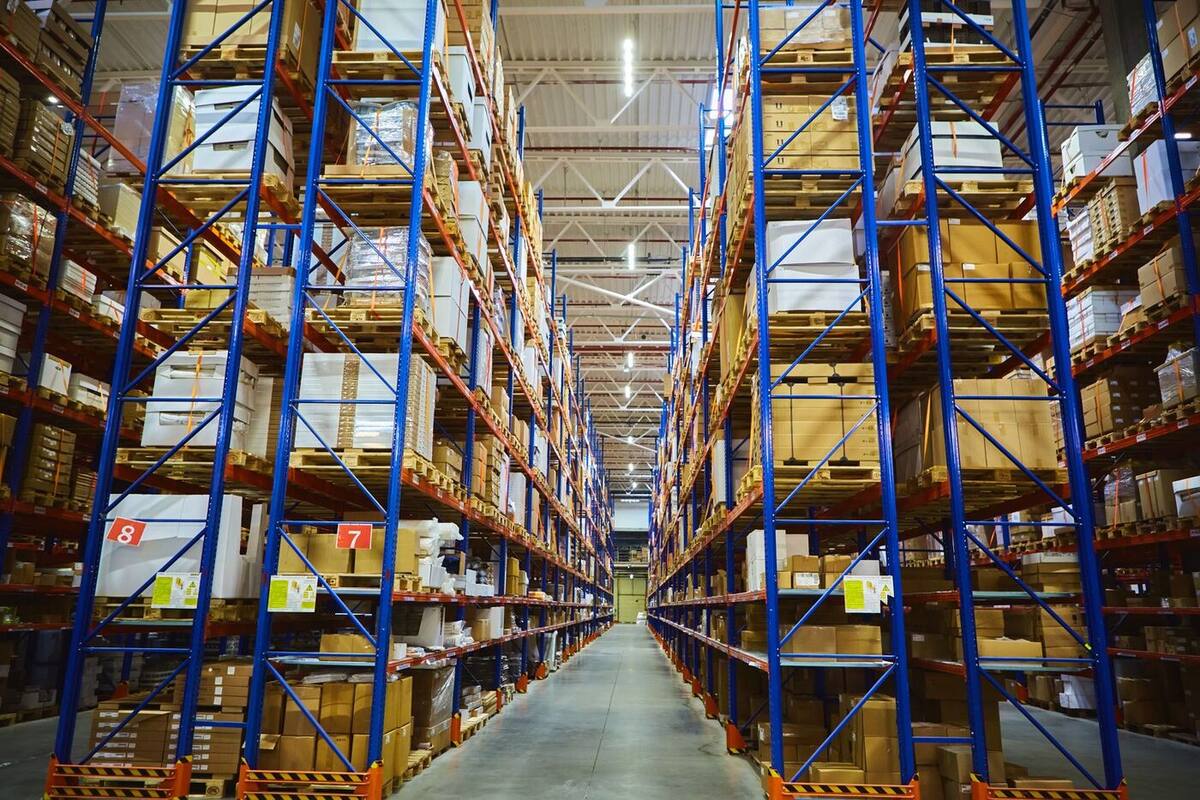
Freight lands in our own building, not a rented rack. Cartons are counted, inspected and photographed on receipt, so damage and shortage claims are evidenced from day one.
FNSKU labeling, polybagging, bundling and carton compliance at $0.75 per unit, then drip-fed into FBA or shipped direct to customers as FBM. See FBA prep and US fulfillment.
Freight pricing is not one number. On the India to USA lane your cost moves with chargeable weight versus actual weight, the origin port or airport, the destination coast, season and capacity, whether you go LCL or FCL, duty and HTS classification, and the last mile from port to warehouse.
Dimensional weight catches most first time shippers out. A light but bulky carton is billed on its volume, not its scale weight, which is why cartonisation decisions made in India change the invoice in America.
Put your weights and dimensions into the calculator for an indicative India to USA shipping cost before you commit.
You need a US entity and EIN to be importer of record. Get that sequence right before the first container moves.
Freight is one line in a bigger budget. See the itemised cost of launching on Amazon USA from India.
India pickup, ocean or air, US customs, our own warehouse, and marketplace prep. One company, one point of contact, one invoice.
21 steps from idea to first US sale. Free PDF.