
Live
Book a free call
Most WFS content explains what the programme is and stops there. That is not what sellers are actually searching for. These pages take the specific questions — how onboarding differs from FBA, which fees really diverge, what the metrics stop blaming you for, whether your batteries are acceptable, what storing stock in someone else's network does to your tax footprint — and answer each one properly, including where the honest answer is that nobody can tell you.
Each page is written for one search intent rather than as a general overview, because a seller asking about battery restrictions and a seller asking about nexus need completely different answers.
The four gates in order, and why the FNSKU habit breaks your first shipment.
What transfers, what you rebuild, and what the GMV lift claim is really measuring.
Four fee layers, and why only two of them ever get compared.
What Walmart stops blaming you for, and the one metric WFS makes harder.
Batteries, serial capture and swapped-unit returns. Both programmes have the same gap.
Facilitator collection, the nexus argument, and what nobody can answer for you.
WFS is FBA's shape applied to Walmart: send stock in, get badging and a credible delivery promise, pay referral and fulfillment fees, and hand the delivery-side performance metrics to Walmart. It works, the badging genuinely lifts conversion, and Walmart is less crowded than Amazon, which is the real opportunity.
Three things catch sellers out. Walmart identifies units by their own GTIN barcode rather than issuing an FNSKU, so FBA prep habits fail at receiving. Stock inside WFS fulfils Walmart orders only, so every other channel still needs somewhere to ship from. And replenishing WFS from India adds two weeks of pipeline, which breaks reorder cadences that were tuned for self-fulfilment.
The structure that handles all three is a single prepped pool held in the US, feeding WFS with what Walmart is selling while shipping every other channel from the same stock. That is what we run from our owned facility in Texas.
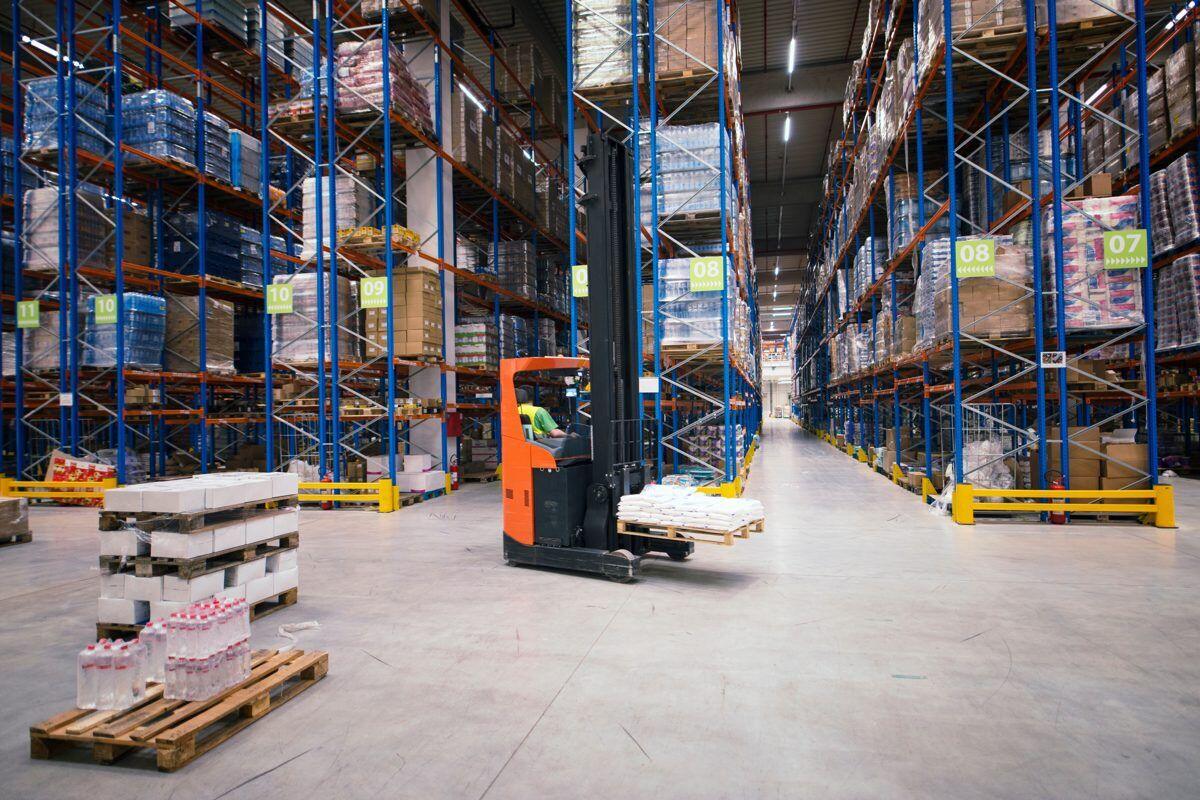
Receiving, inspection, GTIN barcodes and compliant cartons at $0.75 per unit.
The application steps that actually get through, and the ones that get rejected.
Marketplace programme against independent 3PL, compared on what each actually wins.
Walmart Fulfillment Services is Walmart's own fulfillment programme, the same shape as Amazon FBA: you send inventory into Walmart's network, Walmart stores it, picks, packs, ships and takes returns on Walmart orders, and your listings carry fulfilled-by-Walmart badging.
For most of the catalogues we see, yes, as an addition rather than a replacement. Walmart is a smaller marketplace but a materially less crowded one, and the cost of being early is low if you fund it with incremental stock instead of cannibalising your FBA pool.
Yes, but Walmart Marketplace has historically been stricter than Amazon on seller entity and verification. Plan on a US LLC, an EIN and a US bank account in place before you apply, rather than discovering the requirement through a rejection.
Only for Walmart orders. Inventory in a Walmart fulfillment centre fulfils Walmart orders and nothing else, so your own store, Amazon FBM, eBay and TikTok Shop all still need somewhere to ship from. Most sellers end up with a prepped pool upstream feeding WFS plus everything else.
Sending units labelled with an Amazon FNSKU, or with no scannable barcode at all. Walmart identifies units by their GTIN or UPC and issues no per-seller label, so FBA prep habits fail at receiving. It is the single most frequent reason a first shipment stalls.
Yes. We receive your container in Texas, inspect against your purchase order, apply scannable GTIN barcodes, build cartons to Walmart spec and create compliant inbound shipments at $0.75 per unit, with storage at $0.50 per cubic foot per month.
Itemised quote in two minutes. $0.75/unit prep, $0.50/cu.ft storage, no minimums.
Get a quote →21 steps from idea to first US sale. Free PDF.
On its way!
Check your inbox — your PDF is heading there now.