
Live
Book a free call
The moment you switch from FBA to FBM, shipping performance stops being Amazon's problem and becomes a metric on your account. We hold your stock in our owned Austin, Texas warehouse and ship every merchant-fulfilled order the same day it lands, with tracking back in Seller Central before the day is out.
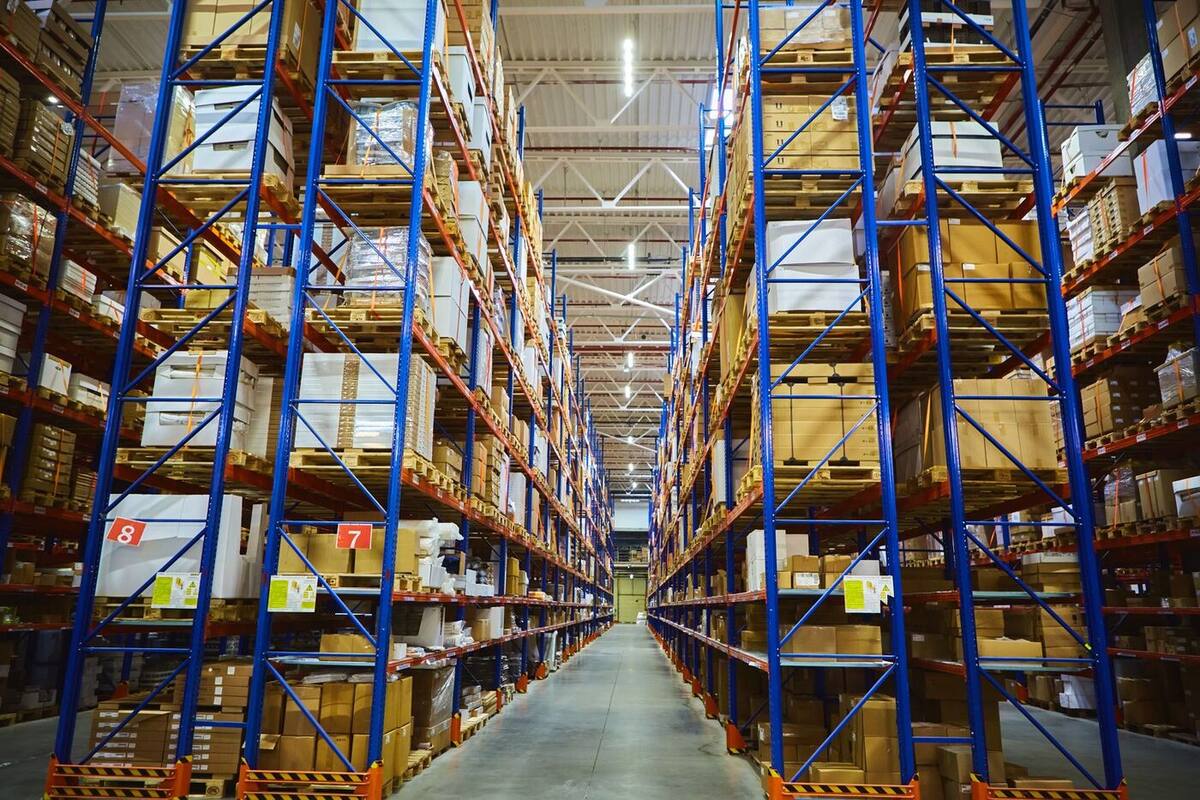
With FBA, Amazon absorbs shipping failures. With FBM you own them, and they are measured continuously against published thresholds. Miss them consistently and you do not get a warning email, you get suppressed listings.
Needs to stay under 4%. It counts orders confirmed as shipped after the date you promised, which means a single bad week of not getting to the post office does real damage.
Above 95%. Every order needs a carrier tracking number that actually scans, uploaded to Seller Central. Hand-typed or unscanned labels fail this quietly.
Under 2.5%. Almost every cancel means you sold a unit that was not physically there, so this is really a measure of how accurate your inventory counts are.
The one the buyer experiences. It depends on dispatch speed and shipping distance together, which is why a central warehouse and same-day dispatch are the two levers worth pulling.
Sellers who self-fulfill set handling time to one or two days, not because packing takes that long, but because they need slack for the days when life gets in the way. That slack is expensive. Amazon adds it to the delivery estimate the buyer sees, so your listing promises Friday while a competitor shipping from a staffed warehouse promises Tuesday on identical postage.
Handling time zero is not a marketing claim, it is an operational commitment: somebody is on the floor, every business day, shipping before cutoff. That is the entire argument for outsourcing FBM. The label cost is roughly the same. The delivery date is not.
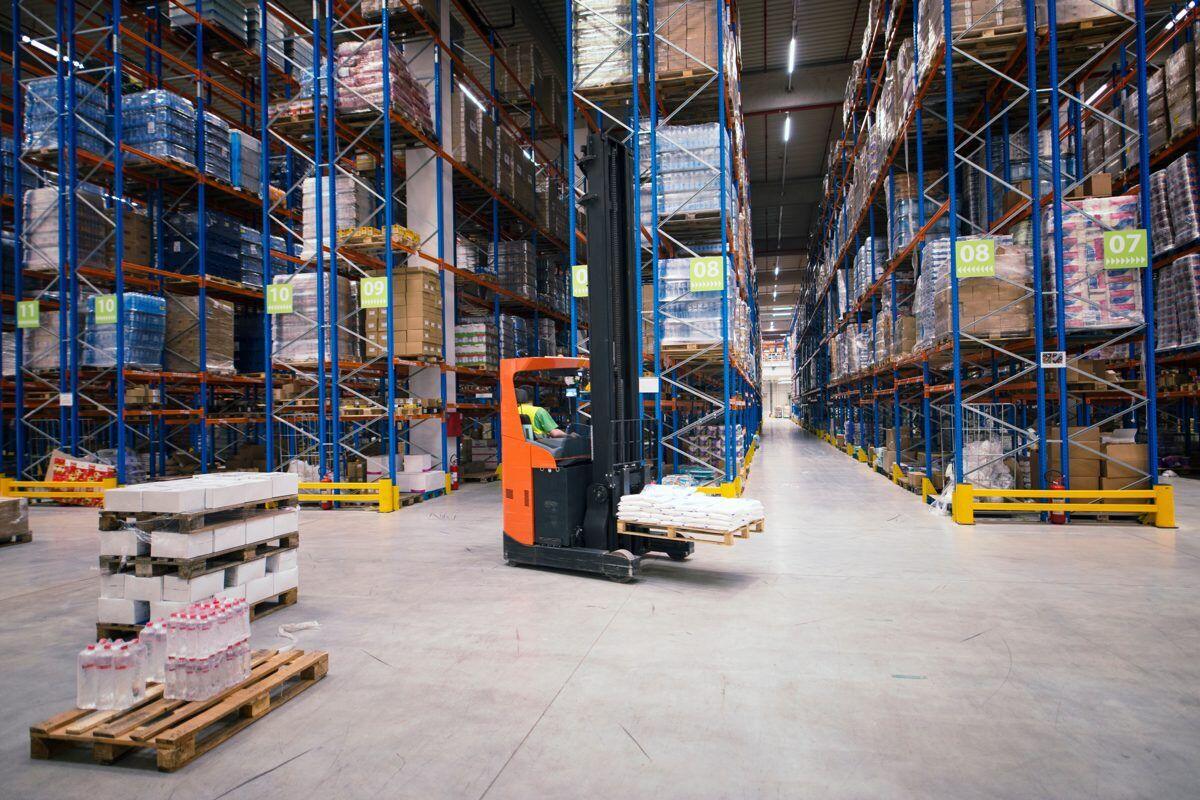
FBM is not a fallback for sellers who cannot get into FBA. For several categories of product it is simply the better channel, and the sellers with the healthiest margins usually run both at once.
FBA fulfillment fees and storage scale badly with size. The same unit held at $0.50 per cubic foot and shipped FBM is often several dollars cheaper per order. See oversize: FBA vs 3PL.
Low-velocity SKUs attract aged-inventory surcharges in FBA and drag your IPI score down. Held FBM they cost storage and nothing else.
When a restock limit blocks an inbound, FBM keeps the listing live instead of letting it go out of stock and lose its ranking.
Walmart, eBay, TikTok Shop and Shopify orders cannot ship from FBA stock without paying multi-channel fulfillment. One FBM pool serves all of them.
Read the full FBA vs FBM comparison → · The complete FBM guide →
We ship from one warehouse in Austin, Texas. These pages cover what that means for your metro specifically: transit times, import lanes, and the honest trade-offs.
1 day ground to DFW
Port of Houston receiving
Our own warehouse city
Texas rates, national reach
Better average zone than LA
No winter shutdown risk
2-day Southeast band
Hurricane-season continuity
Looking for state-level 3PL coverage instead? See all 50 states →
Your Seller Central orders flow to us through the channel integration. Nothing depends on anyone reading an email, which is how weekend orders go missing.
Stock lives in bin locations with live counts, so the quantity Amazon advertises is the quantity on the shelf. This is what keeps cancels near zero.
Packed in your branded packaging on our negotiated carrier rates, with the tracking number pushed back to Seller Central the same day.
Inspected within 72 hours and regraded. Most go back into sellable stock rather than being written off, which is where FBM margin is usually lost.
FBM, or Fulfilled by Merchant, means you are responsible for shipping your own Amazon orders rather than Amazon doing it from FBA stock. An FBM fulfillment provider does that work for you: holding the inventory, picking and packing each order, shipping it with tracking, and uploading that tracking back to Seller Central.
Zero. Orders that reach us before the daily cutoff ship the same business day, which is what lets you safely advertise the earliest delivery date instead of padding handling time to protect yourself.
Late shipment rate, valid tracking rate, pre-fulfillment cancel rate and on-time delivery rate. Those four are what Amazon judges a merchant-fulfilled seller on, and all four come down to whether someone is on the floor shipping every single business day with accurate stock counts.
Yes, and that is the main reason to use one provider for both. The same pool of stock in our Austin warehouse preps and forwards FBA inbounds at $0.75 per unit and ships your merchant-fulfilled orders, so you are not deciding months ahead how to split units between two vendors.
For oversize and heavy items, slow-moving long-tail SKUs, and anything hit by restock limits, usually yes. For small, fast-moving, light products FBA is normally cheaper and buys you Prime. Most profitable sellers use both, which is why running them from one pool matters.
Yes. With FBM the return is yours to process, which is where sellers quietly lose the margin they saved. Returns come back to our dock, are inspected within 72 hours, and 60-70% are regraded and put back into sellable stock.
Yes. One inventory pool serves Amazon FBM, Walmart, eBay, TikTok Shop and your own Shopify store, with no multi-channel fulfillment fee of the kind Amazon charges to ship FBA stock to another channel.
Our own warehouse in Austin, Texas. Central placement puts most of the continental United States within one to three ground days, which is what makes a competitive FBM delivery promise possible without paying for air.
Itemised quote in two minutes. Same-day dispatch, $0.50/cu.ft storage, no minimums.
Get a quote →21 steps from idea to first US sale. Free PDF.
On its way!
Check your inbox — your PDF is heading there now.