
Live
Book a free call
Think14 handles merchant-fulfilled Amazon orders for Chicago and wider Midwest sellers from an owned Texas warehouse. We hold your stock in our owned Austin, Texas warehouse and ship your merchant-fulfilled orders the same day, so your handling time can sit at zero and your on-time delivery rate stays where Amazon wants it.
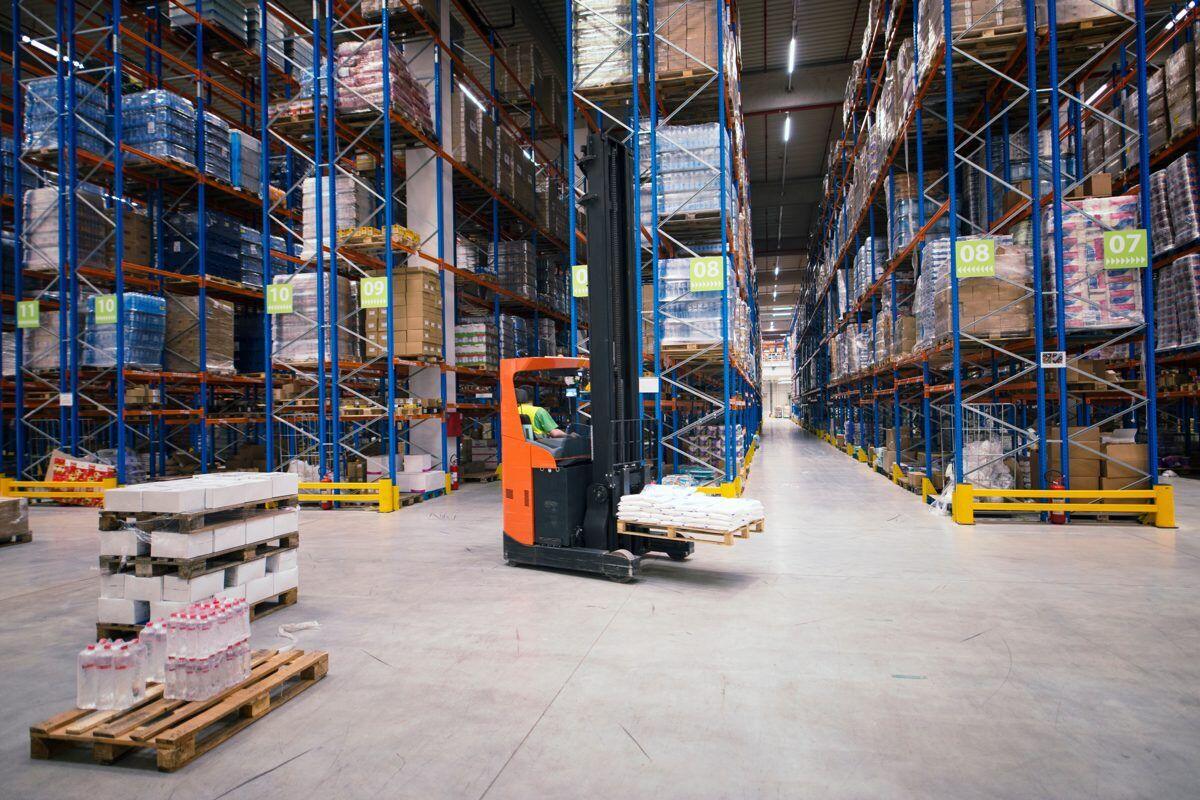
With FBA, Amazon owns the shipping performance. The moment you switch to FBM, that performance becomes yours, and it is measured. These are the numbers that decide whether your listings stay healthy.
Amazon expects late shipments to stay under 4% of orders. Same-day dispatch from a staffed floor is the only reliable way to hold that at volume.
Above 95% of orders need working tracking uploaded. Every order we ship carries a carrier-scanned tracking number pushed back to Seller Central.
Under 2.5%. Cancels almost always mean you sold stock you did not physically have. Bin-level counts stop that.
The metric buyers feel. Shipping from central Texas puts most of the country inside a short ground window instead of relying on expensive air.
Chicago is two ground days from our Austin floor and the Midwest as a whole sits comfortably inside a two-day band. For a Chicago seller the attraction is usually weather and cost rather than speed: Texas does not shut a warehouse down for a week in February, and it does not price storage like a Chicago industrial corridor.
The hidden cost of self-shipping is not postage, it is the handling time you have to pad to stay safe. A seller packing orders between other work sets handling time to two days, which pushes the delivery promise out, which loses the sale to a competitor promising Friday instead of Tuesday. A warehouse that dispatches before cutoff every day lets you set that to zero and compete on the delivery date itself.
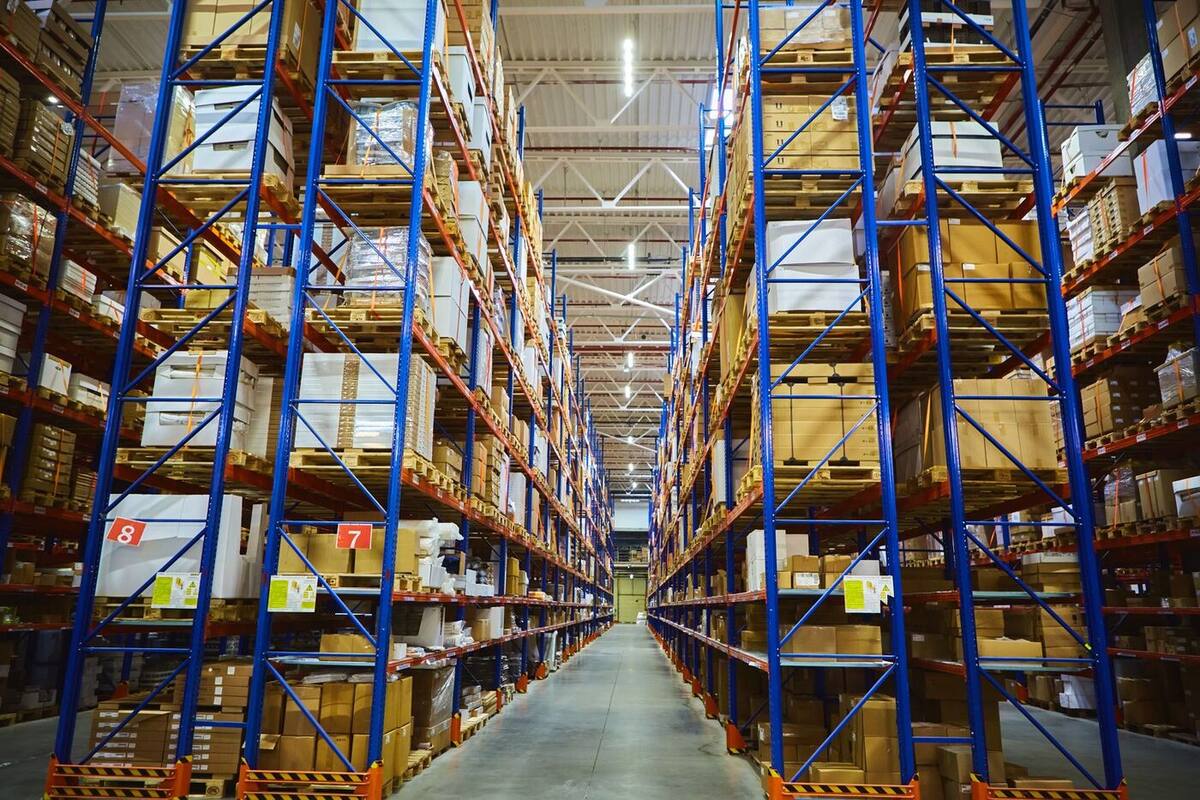
Chicago sellers who self-fulfill learn this the hard way. A serious snow event does not just delay a day of orders, it spikes your late shipment rate, your on-time delivery rate drops, and the metrics Amazon judges you on take a hit that lingers in your account health for weeks.
A central Texas warehouse is not immune to weather, as any Texan will tell you about February 2021, but the frequency is a different order of magnitude. Across a normal year you lose far fewer dispatch days, which shows up directly in the performance numbers that keep your listings competitive.
The second Chicago-specific point is freight. Chicago is the rail hub of North America, so if you move domestic freight, inbound into Texas from a Chicago supplier is well served and cheap.
Weather-driven shutdowns are far rarer in central Texas, which protects the late shipment and on-time delivery metrics your account health depends on.
Chicago, Milwaukee, Indianapolis and St Louis addresses all sit inside a two-day ground window from our dock.
As the continent's rail hub, Chicago has excellent southbound freight options into Texas for restocking.
FBM is not a downgrade from FBA. For whole categories of product it is simply the cheaper and safer channel, and the sellers who run both from one inventory pool are usually the ones with the best margins.
FBA oversize fulfillment fees and storage scale badly with cubic feet. The same unit shipped FBM from a warehouse you pay $0.50/cu.ft for is often several dollars cheaper per order. See oversize items: FBA vs 3PL.
Low-velocity SKUs attract FBA aged-inventory surcharges and eat into your IPI score. Held FBM they cost you storage and nothing else.
When restock limits block an inbound or a category needs approval you do not have yet, FBM keeps the listing live and selling instead of going out of stock.
Your Walmart, eBay, Shopify and TikTok Shop orders cannot ship from FBA stock without paying for multi-channel fulfillment. One FBM pool serves all of them.
Your Seller Central orders flow to our floor through the channel integration. No emailing spreadsheets, no manual re-entry, no missed order sitting unseen over a weekend.
Stock lives in bin locations with live counts, so the quantity Amazon shows is the quantity on the shelf. That is what keeps pre-fulfillment cancels near zero.
Packed in your branded packaging, labeled on our negotiated carrier rates, and the tracking number is back in Seller Central the same day it ships.
FBM returns are yours to handle, which is where most sellers lose the margin they saved. Ours come to one dock, get inspected, and 60-70% go back into sellable stock.
Two ground days from our Austin warehouse covers Chicago and most of the Midwest. Same-day dispatch means the clock starts the day the order is placed, not a day or two later.
For Midwest-bound orders a Chicago facility is a day faster. For orders to Texas, the South, the Southwest and the West Coast it is slower, and you pay the difference on every order. The question is what your order map actually looks like.
Statistically, yes, in terms of days of operation lost. Texas has had severe winter events, but Chicago has them most years. For a metric measured continuously, frequency is what counts.
Yes, from the same inventory pool. That is the main structural advantage of FBM over FBA: one set of stock serves every channel without multi-channel fulfillment fees.
Itemised quote in two minutes. Same-day dispatch, $0.50/cu.ft storage, no minimums.
Get a quote →21 steps from idea to first US sale. Free PDF.
On its way!
Check your inbox — your PDF is heading there now.