
Live
Book a free call
Most 3PL pages describe the same service and change the city name. That misses the point: what actually determines whether a warehouse suits you is what you sell. A books operation and a furniture operation need almost nothing in common. These pages set out what each category genuinely requires, including where we are the wrong answer.
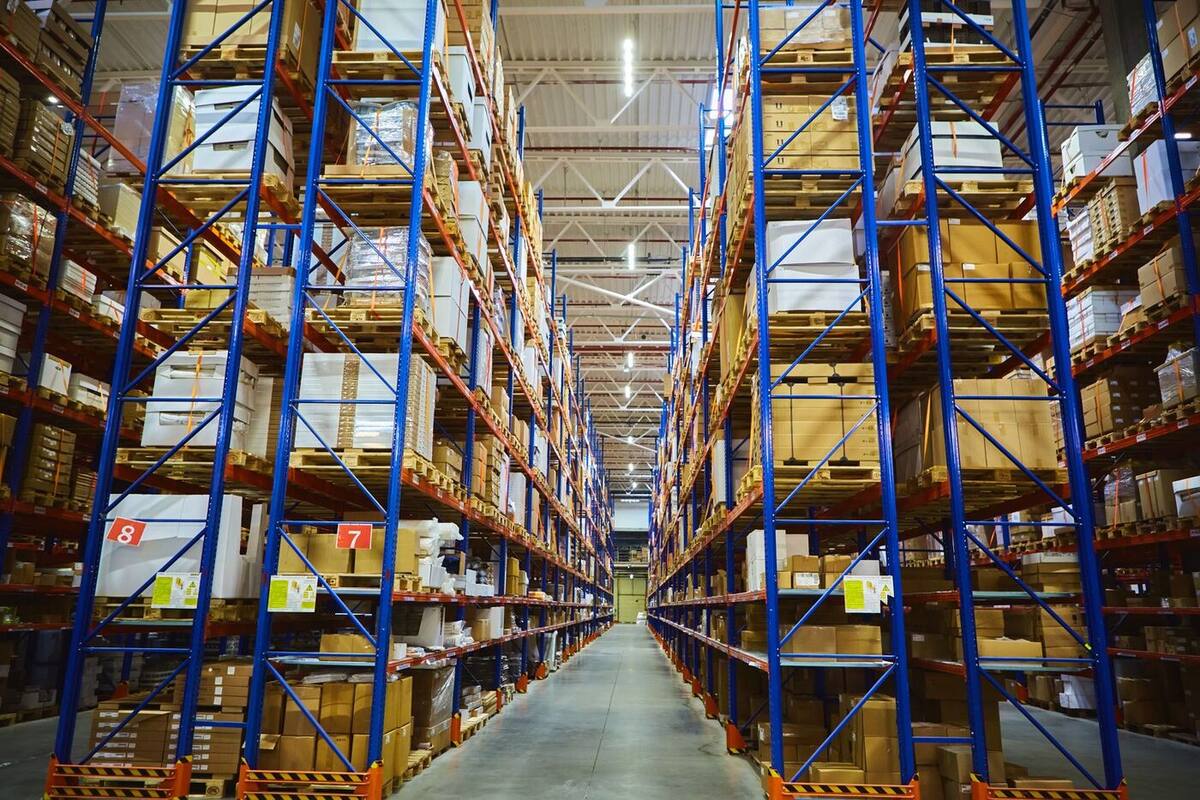
Once you have run enough categories through a warehouse, the patterns collapse into a handful. Working out which one you are in tells you what to ask a 3PL and which part of their pricing actually matters to you.
High unit counts of low-value items, each needing individual handling. Books, apparel, small accessories. Your bill is prep multiplied by units, and storage is a rounding error. Optimise the per-unit rate.
Large, light items where carriers bill on volume and FBA bills oversize. Furniture, sporting goods, large appliances. Your bill is cubic feet and shipping zones. Optimise storage pricing and warehouse location.
Products where the regulation is physically printed on the unit, or where dates and lots must be tracked. Baby products, supplements, anything with a battery. Optimise for controls, not price.
Deep catalogues of near-identical SKUs where the wrong one is worthless. Auto parts, industrial spares, variant-heavy apparel. Mis-pick rate dominates every other cost. Optimise verification.
Grading, poly bagging and FNSKU over ISBN. A labour problem, not a storage one.
Cubic-foot storage with no oversize tier, carton-level damage inspection, LTL dispatch.
Serial capture against every order, return verification, battery shipping rules.
CPSC tracking labels, suffocation warnings, age-grade marking at prep stage.
Lot and expiry captured at receipt, FIFO picking, Amazon date labeling.
Bulky and seasonal, with variant scan verification and pre-built kits before peak.
Deep part-number catalogues, scan-verified picks, core return flows.
Selling an India-made category specifically? See our export category guides for apparel, spices, handicrafts, textiles and more.
Every page in this family has a section on what we do not do for that category. White-glove furniture delivery, hazmat-certified chemical storage, refrigerated supplements, high-volume used-book grading at specialist speed: these are real gaps and we name them.
That is partly honesty and partly self-interest. The worst outcome for a warehouse is onboarding a client whose product it cannot properly serve, because the failure arrives three months later as damaged stock, rejected inbounds and a justifiably unhappy seller. Finding out at quote stage costs a conversation.
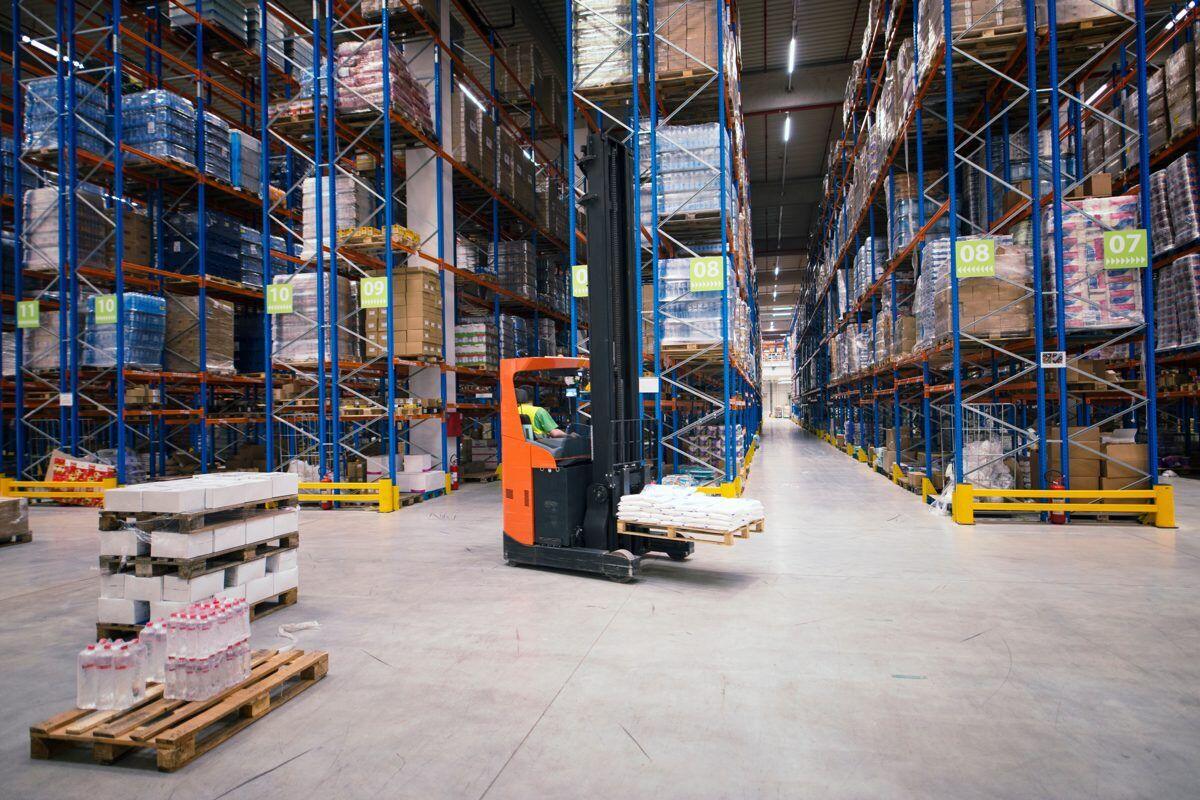
More than location does, usually. A books operation is a labour problem, furniture is a dimensional problem, supplements are a date problem and auto parts are an accuracy problem. The same warehouse can serve all of them, but only if it runs different controls for each, and the questions you should ask in a sales call differ completely by category.
The headline rates are the same: $0.75 per unit for standard prep and $0.50 per cubic foot per month for storage. What varies is how much of each a category consumes. Books burn prep and almost no storage. Furniture burns storage and almost no prep. Your quote reflects your actual order and product profile.
We will say so. There are real limits: we do not do white-glove furniture delivery, we are not a hazmat-certified facility for every chemical class, we do not hold refrigerated stock, and we do not manufacture or repackage. Telling you that at quote stage is cheaper for both of us than finding out later.
Yes, and most of our clients do. One inventory pool, one invoice, one team, with the handling controls each category needs applied per SKU rather than per account.
Anything large, slow-moving or seasonal. Furniture, sporting goods and auto parts are the clearest cases, because FBA oversize fulfillment fees, oversize storage and aged-inventory surcharges all compound against exactly those traits. See our FBM fulfillment service for how that works.
Itemised quote in two minutes. $0.75/unit prep, $0.50/cu.ft storage, no minimums.
Get a quote →21 steps from idea to first US sale. Free PDF.
On its way!
Check your inbox — your PDF is heading there now.