
Live
Book a free call
Auto parts punish warehouses with SKU depth: thousands of near-identical part numbers where shipping the wrong one is worthless to the customer. Think14 runs them from an owned Texas warehouse.
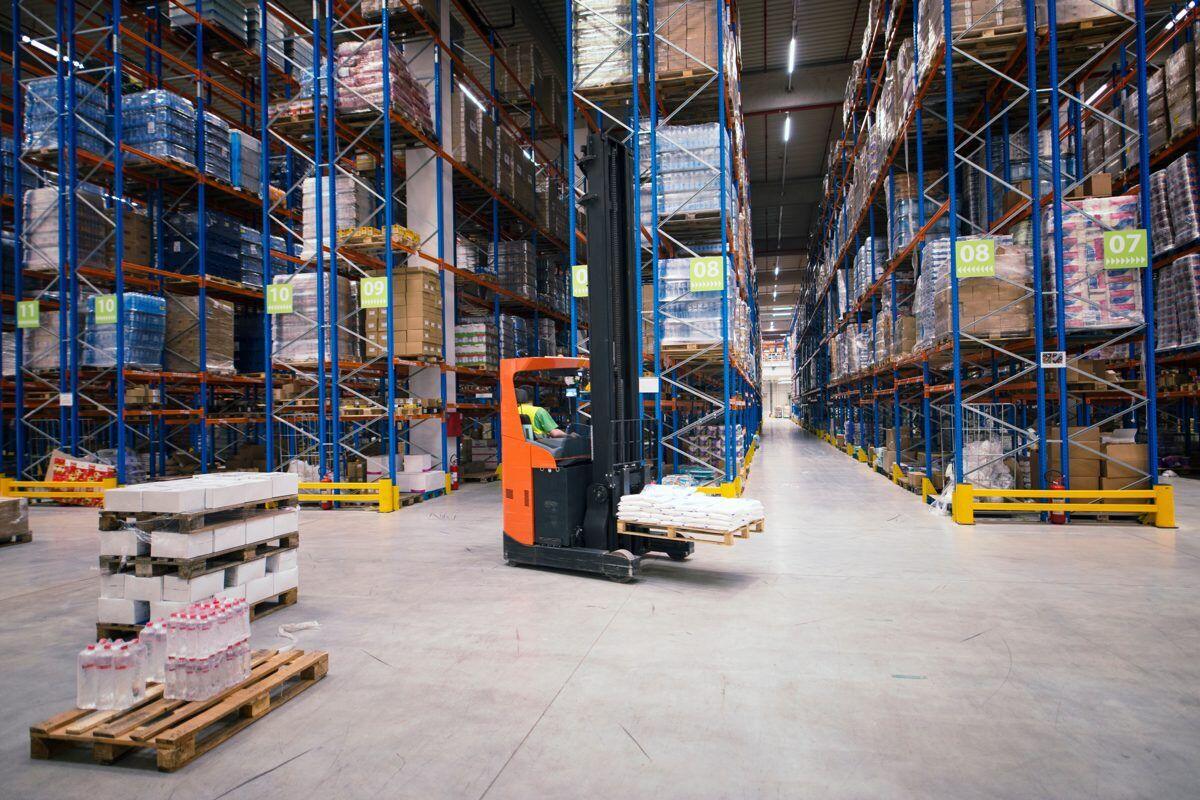
In most categories a similar product is an acceptable substitute. In automotive it is a return. A part either fits the vehicle or it does not, which makes part-number accuracy the entire operational requirement.
A single product line can run to hundreds of part numbers differing by year, trim or engine. Many look identical on a shelf and are distinguishable only by a stamped number.
Brake discs, panels, exhausts and bumpers are heavy, awkward or both. Packaging has to survive handling that a flat-pack never faces.
Oils, cleaners, paints and aerosols are often classed as hazardous for transport, with packaging, labeling and carrier restrictions that differ from dry goods.
Remanufactured parts frequently carry a core charge, which means handling an inbound used part as part of the sale rather than as a failure.
Every location is bin-level and every pick is scan-verified against the part number on the order. We do not rely on anyone recognising a part by sight, because at speed, across hundreds of similar numbers, nobody can do that reliably.
Heavy and awkward items get packaging specified for the actual item rather than a standard carton: edge protection on discs and panels, and palletised LTL freight where parcel handling would damage the part or cost more than freight.
Core returns are handled as a defined flow rather than as an exception. The returned core comes back to us, is identified against the original order, and is reported to you so the core charge can be settled and the unit routed onward.
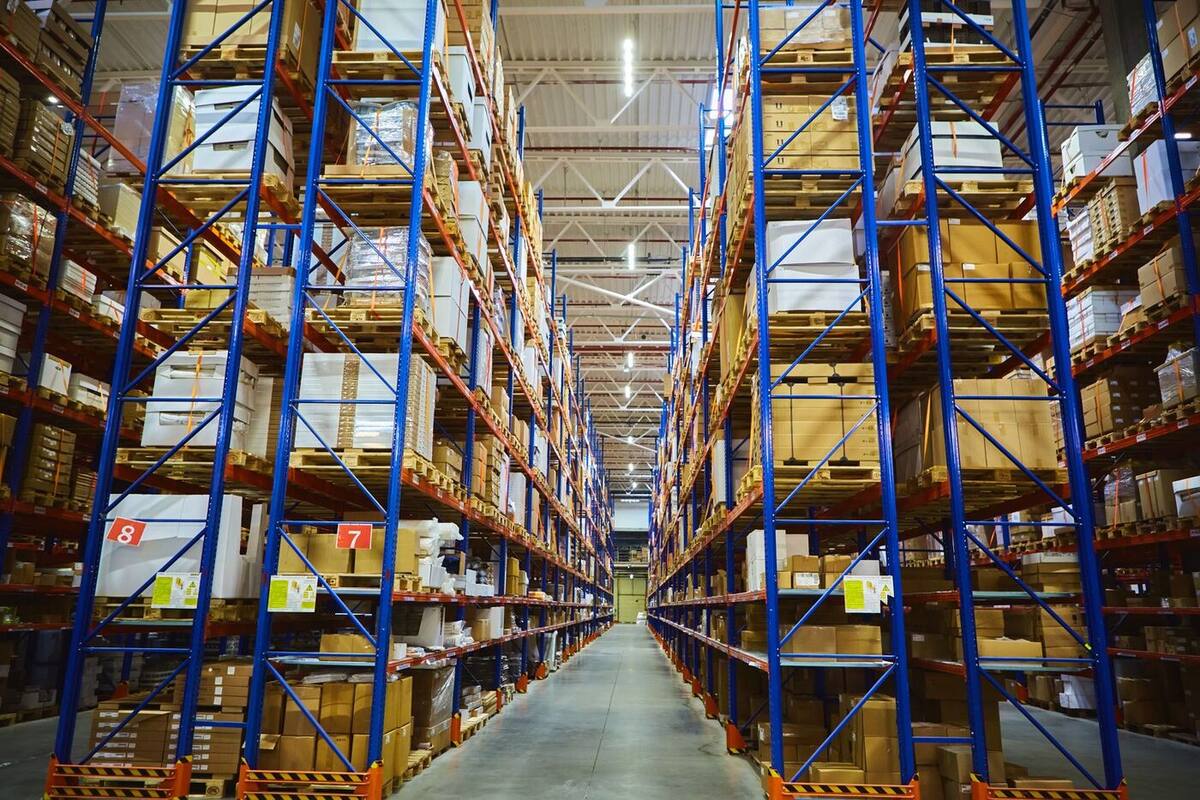
A good share of the automotive aftermarket is dangerous goods for transport purposes. Engine oils, brake cleaners, aerosol lubricants, paints and some batteries fall under rules on packaging, labeling, quantity limits and permitted carrier modes, and air transport is substantially more restrictive than ground.
Our approach is to look at the actual product and its safety data sheet before accepting it, and to tell you plainly if it needs a hazmat-certified facility or a specialist carrier we are not. We would rather decline a line than discover the problem when a carrier rejects a pallet.
Dry mechanical parts, body panels, electrical components and accessories are straightforward. It is the chemistry aisle that needs the conversation.
The cost structure in automotive is unusual: storage is a real factor because catalogues are deep and much of the stock is slow-moving, but the dominant variable is mis-pick rate. A wrong part number is a full return, a refund, return freight on a heavy item, and often a lost customer who needed the part today.
That makes the cheap-per-pick 3PL the expensive one if its accuracy is poor. Cubic-foot storage at $0.50 lets you hold catalogue depth affordably; scan verification is what stops that depth turning into returns.
$0.50 per cubic foot on actual space used means holding a long tail of part numbers does not require a minimum commitment.
On heavy items a wrong part means refund plus return freight. Accuracy is worth more than a cheaper pick rate.
Core returns are a routine inbound process, identified against the original order, not an exception somebody has to improvise.
Bin-level locations and scan verification against the part number on every pick. We do not rely on visual identification, which is where deep automotive catalogues go wrong.
Yes, with item-specific packaging and palletised LTL freight where parcel shipping would damage the part or cost more than freight.
Often these are regulated dangerous goods. Send us the product and its safety data sheet before committing: we will tell you whether we can ship it, under what limits, or whether you need a hazmat-certified facility and specialist carrier.
Yes, as a defined flow. The returned core is identified against the original order and reported so the core charge can be settled.
That is what cubic-foot pricing is for. $0.50 per cubic foot on actual space used, with no minimums, which is what makes carrying a long tail of part numbers affordable.
Itemised quote in two minutes. $0.75/unit prep, $0.50/cu.ft storage, no minimums.
Get a quote →21 steps from idea to first US sale. Free PDF.
On its way!
Check your inbox — your PDF is heading there now.