
Live
Book a free call
Most of what you learned onboarding to FBA transfers. Three things do not, and each of them stops a first shipment cold: the approval order, the barcode, and who is allowed to label what.
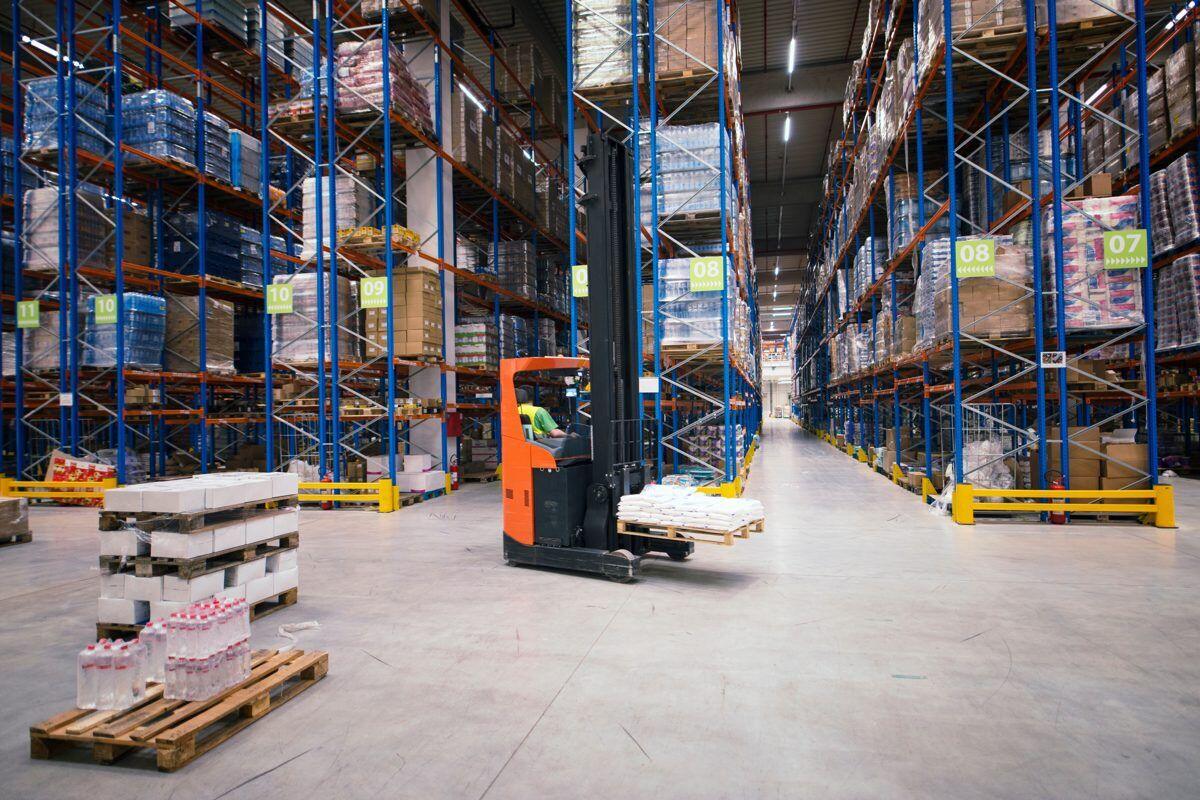
WFS is enrolment inside an existing marketplace account, not an application of its own. Sellers lose weeks by attacking these out of order.
Walmart screens applicants before they can list at all. Expect questions about your business entity, tax identity, product catalogue and marketplace history elsewhere. This is where the time goes, and it happens before WFS is even visible to you.
Items must exist and be published on Walmart Marketplace with complete content and a valid GTIN. WFS converts existing listings; it does not create them. Thin or unpublished listings cannot be enrolled.
Enrol the specific items you want Walmart to fulfil. This is a per-item decision, not an account-wide switch, so you can run WFS and seller-fulfilled side by side deliberately.
Create the shipment in Seller Center, get the destination assignment, and build cartons to Walmart spec with scannable unit barcodes and compliant carton labels. This is the step that gets rejected.
On Amazon, FBA issues you an FNSKU: a label unique to your seller account that Amazon prints a barcode for and expects on every unit. It makes your inventory distinguishable from another seller's identical product inside a commingled bin.
Walmart does not work that way. WFS identifies units by the product's own GTIN or UPC. That means the barcode on the unit has to be the manufacturer barcode, scannable, unobstructed, and matching the listing exactly. Sellers arriving from Amazon routinely send units wearing an FBA FNSKU label, or units with no scannable barcode at all because they had always relied on Amazon generating one.
Practically, this pushes the work upstream. If your manufacturer in India is not applying a correct, scannable GTIN barcode at the factory, somebody has to apply one before the carton goes to a Walmart fulfillment centre. That is prep work, and it is the same prep work whether you do it in Tiruppur, in a US warehouse, or not at all and eat the rejection.
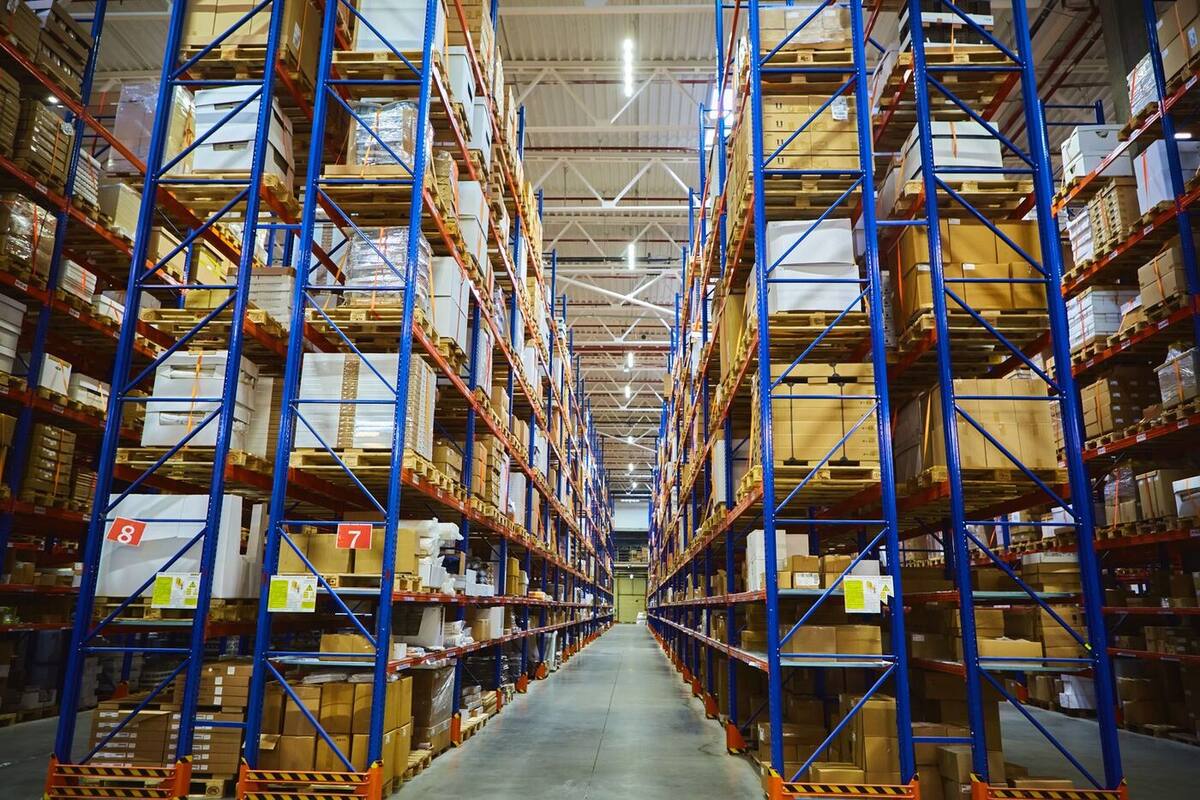
Where WFS and FBA genuinely differ at setup. Everything not listed here is broadly the same work.
| Step | FBA | WFS |
|---|---|---|
| Account gate | Open and sell almost immediately | Marketplace application screened before listing |
| Unit identifier | FNSKU generated by Amazon | Your own GTIN / UPC barcode |
| Who issues the label | Amazon, per seller account | Nobody. It must already be on the unit |
| Enrolment granularity | Per SKU, via inbound plan | Per item, via WFS enrolment |
| Commingling option | Available for some categories | Not applicable; units are identified by GTIN |
| Entity expectations | Tolerant of non-US sellers | Historically stricter on entity and verification |
| Inbound destination | Assigned, often split | Assigned by Walmart |
| Prep responsibility | Seller or paid FBA prep | Seller. WFS prep services are limited |
Programme rules change. Confirm current requirements in Walmart Seller Center before you build a shipment against anything on this page.
WFS takes over storage, pick, pack, ship and returns intake once your stock is in a Walmart building. It does nothing about everything before that: ocean freight from India, customs clearance, receiving a container, inspecting what the factory actually sent, applying barcodes, and building compliant cartons. Enrolling in WFS is a decision about the last mile, not about your supply chain.
The second thing it does not fix is the single-channel problem. Inventory inside a Walmart fulfillment centre fulfils Walmart orders. It will not ship your Shopify orders, your Amazon FBM orders or your eBay orders. Sellers who move everything into WFS on day one usually discover this when their second channel runs dry.
Our position is that the sane structure for a seller shipping from India is one prepped pool in a US warehouse that feeds WFS with what Walmart will actually sell, while shipping every other channel from the same stock. That is what our WFS prep service exists to do.
Leave your email and we will send an itemised WFS quote against your own product profile, plus which parts of this page change for your category. If WFS is the wrong call for you we will say so.
One email, a real reply from a founder. No automated sequence.
Yes. WFS is not a separate route in. You get approved as a Walmart Marketplace seller first, list items, and then enrol those items into WFS. Sellers who treat WFS as the application are applying for the wrong thing.
The gate is earlier, not harder. Anyone can open an Amazon seller account and start sending inventory to FBA in days. Walmart screens at the marketplace application stage, so the delay happens before you ever see the WFS enrolment screen. Once you are in, WFS enrolment itself is quick.
No, and this is the single most common prep mistake. Walmart identifies units by your GTIN or UPC barcode. There is no Walmart-generated per-seller label equivalent to the FNSKU, which means your units must carry a scannable manufacturer barcode rather than a label Walmart issues you.
The marketplace application is the long pole and varies widely. WFS enrolment, converting listings and creating your first inbound shipment can be done inside a week once the account is live. Transit from India adds four to six weeks by sea on top of that.
Walmart Marketplace has historically been stricter than Amazon on seller entity and verification requirements. Plan on a US LLC, EIN and a US bank account before you apply rather than after a rejection.
Itemised quote in two minutes. $0.75/unit prep, $0.50/cu.ft storage, no minimums.
Get a quote →21 steps from idea to first US sale. Free PDF.
On its way!
Check your inbox — your PDF is heading there now.