
Live
Book a free call
The question is usually asked as a migration. It is almost always better answered as an addition. Here is what genuinely transfers, what has to be rebuilt, and what the GMV lift claim is actually measuring.
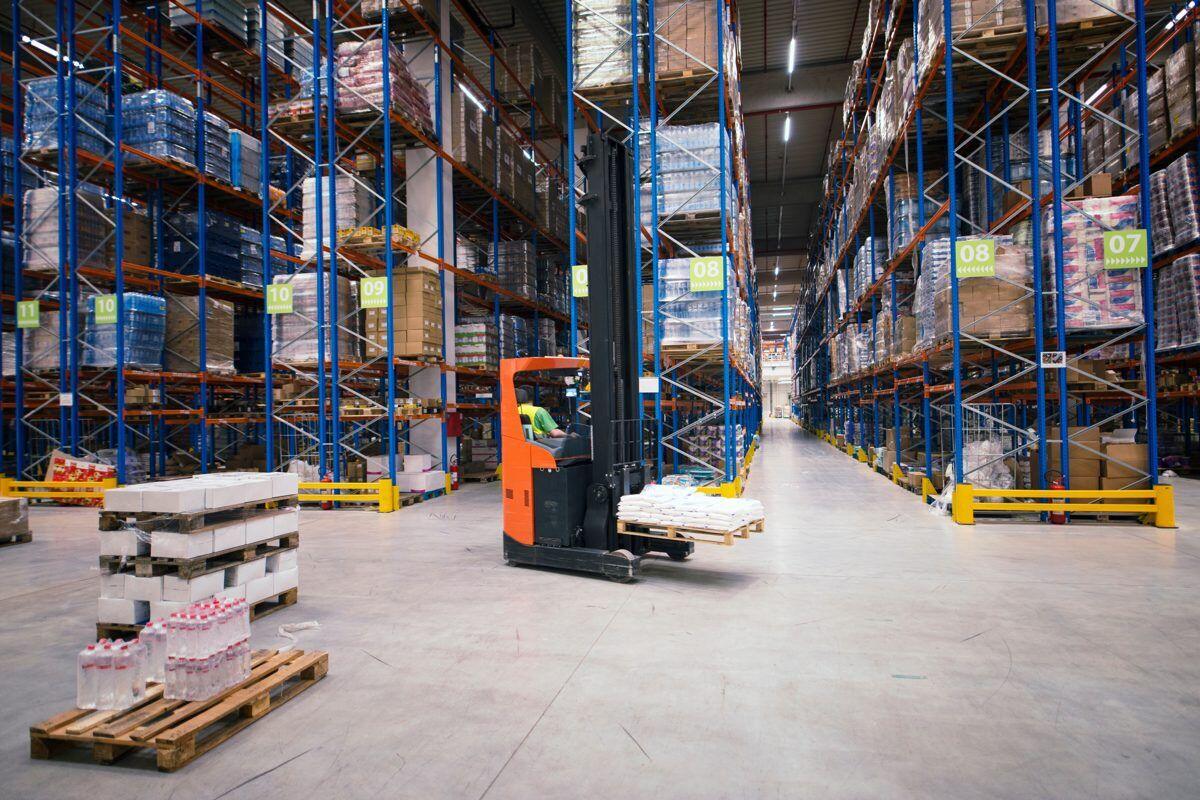
Your product, your supply chain and your cost base transfer. Almost nothing about how the channel is operated does.
Your SKU, your supplier, your landed cost and your packaging are unchanged. If it sells on Amazon it can usually sell on Walmart, with the obvious exception of categories Walmart restricts.
Your gross margin discipline, your reorder cadence and your freight lane from India are the same work. You are not relearning importing.
Walmart content, attributes and category taxonomy are their own system. Amazon copy pasted across underperforms, and Walmart search behaves differently enough that keyword work has to be redone.
FNSKU out, GTIN in. Every unit needs a scannable manufacturer barcode and the Amazon label covered or removed. For removed FBA stock, that is a per-unit handling job.
Walmart markets WFS with growth figures: items enrolled in WFS growing materially faster than the same items fulfilled by the seller. The mechanism is real and familiar. A fulfilled-by-Walmart listing carries badging, a credible delivery promise and better placement, exactly as Prime badging does on Amazon. Conversion rises because the offer is better, not because of magic.
The caution is in how the figure is produced. It compares sellers who chose to enrol against those who did not, and sellers choosing to enrol are usually also fixing price, content and stock depth at the same time. That is selection bias plus bundled changes, which is the standard problem with any vendor-published uplift number, on any platform.
So treat the direction as trustworthy and the magnitude as unknown for your catalogue. The honest version of the claim is: badging helps, probably a lot, and the only way to size it for your SKUs is a controlled test where you change fulfillment and nothing else.
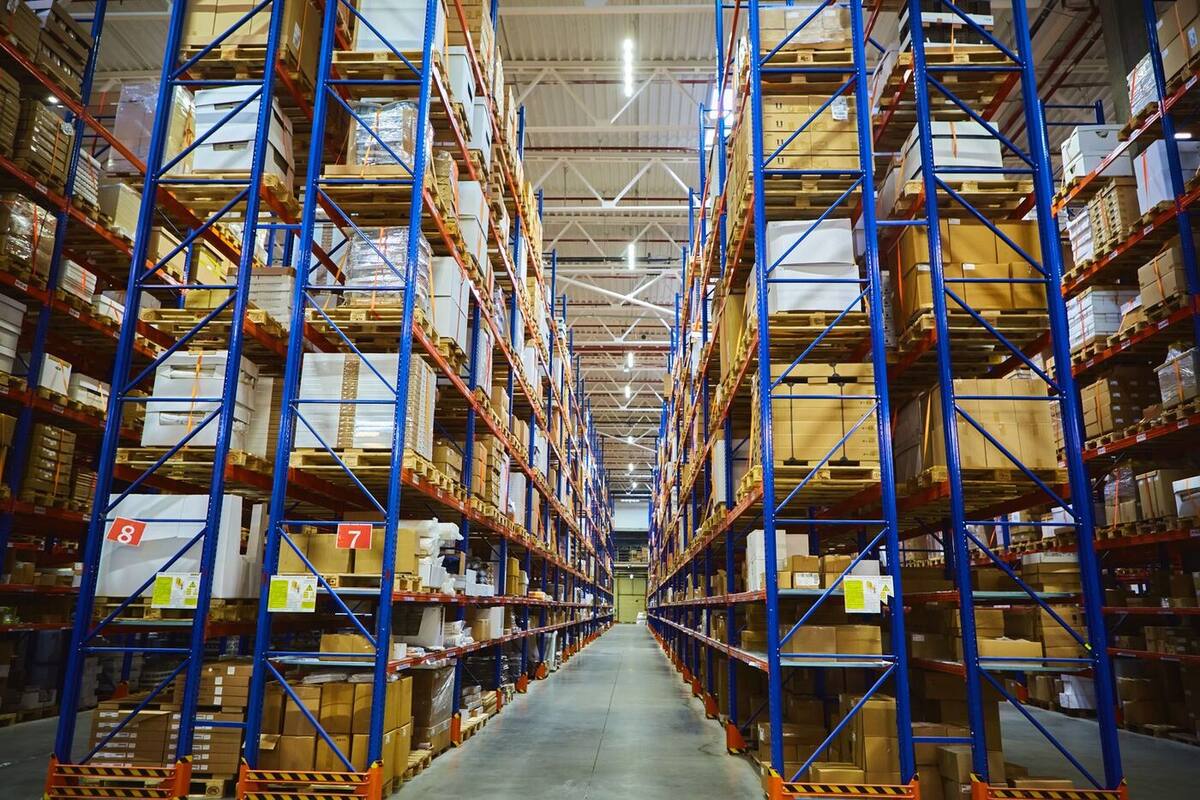
The cost of moving one unit of existing FBA stock into WFS, versus simply sending fresh stock.
| Cost line | Removal and redirect | Fresh stock into WFS |
|---|---|---|
| FBA removal fee | Per unit, charged by Amazon | None |
| Freight out of Amazon | To your nominated address | None |
| Inspection on arrival | Required. Removed stock is mixed condition | Already known condition |
| FNSKU removal / relabel | Per unit handling | Not needed |
| Freight into WFS | Charged again | Charged once |
| Units lost to damage | Real, and higher on removed stock | Low |
| Working capital | Already spent | New spend |
Removal makes sense for genuinely stranded, aged or high-value stock. For fast-moving, low-value units the round trip usually costs more than the inventory is worth.
Amazon remains the larger marketplace in most categories we work in. Walmart is growing and is materially less crowded, which is exactly why it is worth being there early. Neither of those facts argues for abandoning one.
The real constraint is not channel choice, it is inventory. Run FBA and WFS as two separate pools and you forecast twice, you go out of stock on one while sitting on surplus in the other, and every reorder decision becomes a guess about split. That is the cost sellers underestimate, and it scales with every channel you add.
The structure that avoids it is a single prepped pool held upstream in the US. Feed WFS what Walmart is selling, feed FBA what Amazon is selling, and ship your own store and the smaller marketplaces from the same stock. You keep badging on both marketplaces without duplicating inventory risk. Our full WFS versus FBA comparison works through the economics, and our 3PL service is how the pool is actually held.
Leave your email and we will send an itemised WFS quote against your own product profile, plus which parts of this page change for your category. If WFS is the wrong call for you we will say so.
One email, a real reply from a founder. No automated sequence.
Almost never as a swap. Amazon is still the larger marketplace for most categories, so pulling stock out of FBA to fund a Walmart experiment usually costs you more in lost Amazon velocity than Walmart returns in its first quarter. Fund WFS with incremental stock, not with your FBA pool.
Not directly. You create an FBA removal order, the units come back to an address you nominate, and they are then inspected, relabelled to Walmart spec and sent into WFS. That round trip costs removal fees, freight both ways and handling, which is why removal-and-redirect is rarely economic for low-value units.
Walmart publishes figures showing enrolled items growing after WFS adoption, and the directional claim is credible for the same reason Prime badging works on Amazon. But published vendor figures reflect sellers who chose to enrol, often alongside better pricing and content, so treat any specific percentage as marketing rather than a forecast for your catalogue.
No. FBA units carry an FNSKU label unique to your Amazon account. WFS identifies units by the product GTIN or UPC. Every removed FBA unit needs the FNSKU covered or removed and a scannable GTIN barcode exposed before it can go into WFS.
Pick three to five SKUs that already sell on Amazon, are small and light, and are not your top revenue earners. Send a small quantity of fresh stock into WFS, leave FBA untouched, and judge on sell-through over sixty days rather than on the first fortnight.
Itemised quote in two minutes. $0.75/unit prep, $0.50/cu.ft storage, no minimums.
Get a quote →21 steps from idea to first US sale. Free PDF.
On its way!
Check your inbox — your PDF is heading there now.