
Live
Book a free call
The strongest practical argument for WFS is not the fees. It is that Walmart stops attributing its own delivery performance to your scorecard. Here is exactly where that line falls.
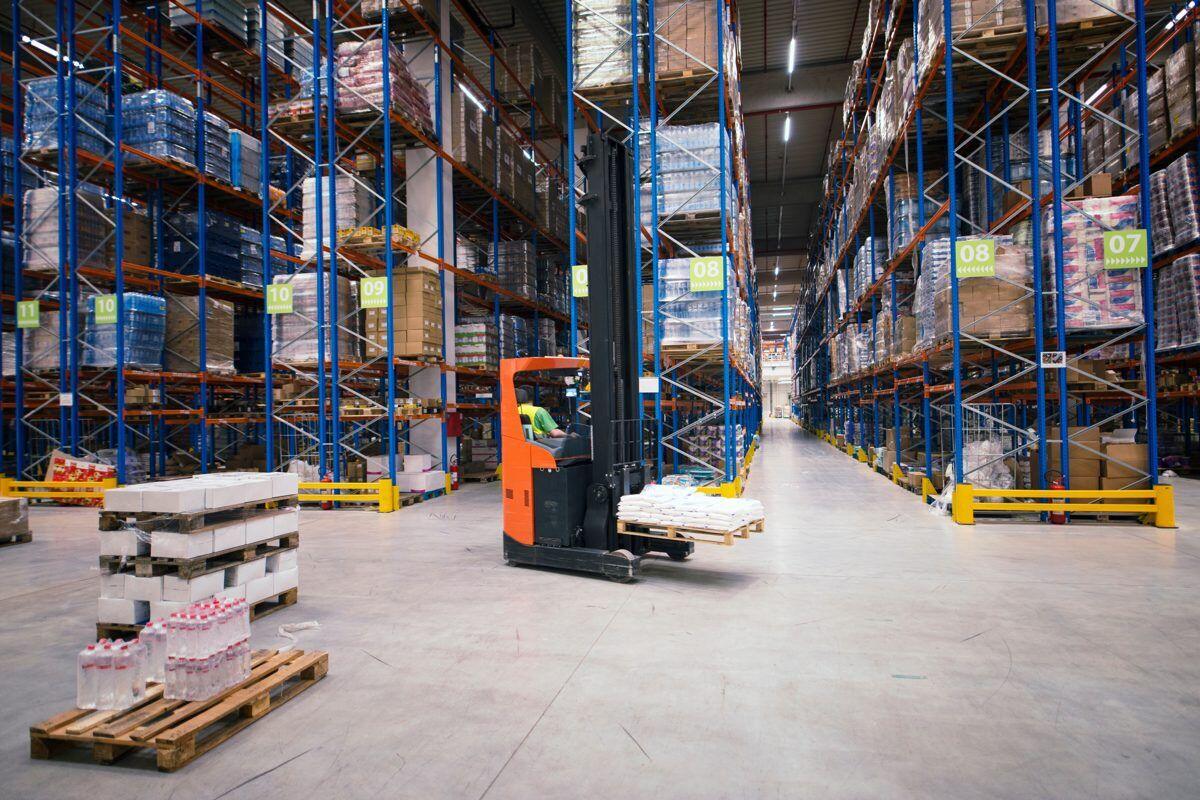
Enrolling in WFS moves the fulfillment failures to Walmart. Every failure that happens before a unit is stowed in a Walmart building stays with you.
Late shipments, missing tracking and carrier failures on WFS orders are Walmart's execution. This is the single biggest relief for a seller shipping from overseas, because self-fulfilling a US delivery promise from India is close to impossible to do well.
Walmart receives the return, processes it and handles the customer side. You still carry the commercial cost and still have to care about why the return happened.
Out-of-stock is a seller failure in every fulfillment model. WFS makes it worse in one respect: your replenishment lead time now includes inbound transit to a Walmart FC on top of your ocean lead time from India.
Barcodes, carton labels, carton weights, shipment accuracy. Get these wrong and you pay handling charges and lose days at receiving. This is the one that prep actually solves.
Sellers searching for Walmart chargebacks usually land in the wrong world. Formal chargebacks are a first-party supplier and drop-ship vendor mechanism: Walmart buys your goods, your supplier agreement sets out operational standards, and breaches are billed back against invoices. That is a different relationship with a different contract.
As a marketplace seller using WFS you are not in that regime. What you face instead is twofold. Inbound non-compliance and handling charges, billed when a shipment arrives in a state Walmart has to fix, and seller performance standards, which do not bill you but can restrict or suspend listings if you breach them persistently.
The practical difference is that non-compliance charges are a cost of doing it wrong, while performance standards are a licence to keep trading. The first is annoying. The second is existential, and it is the one worth building your operation around.
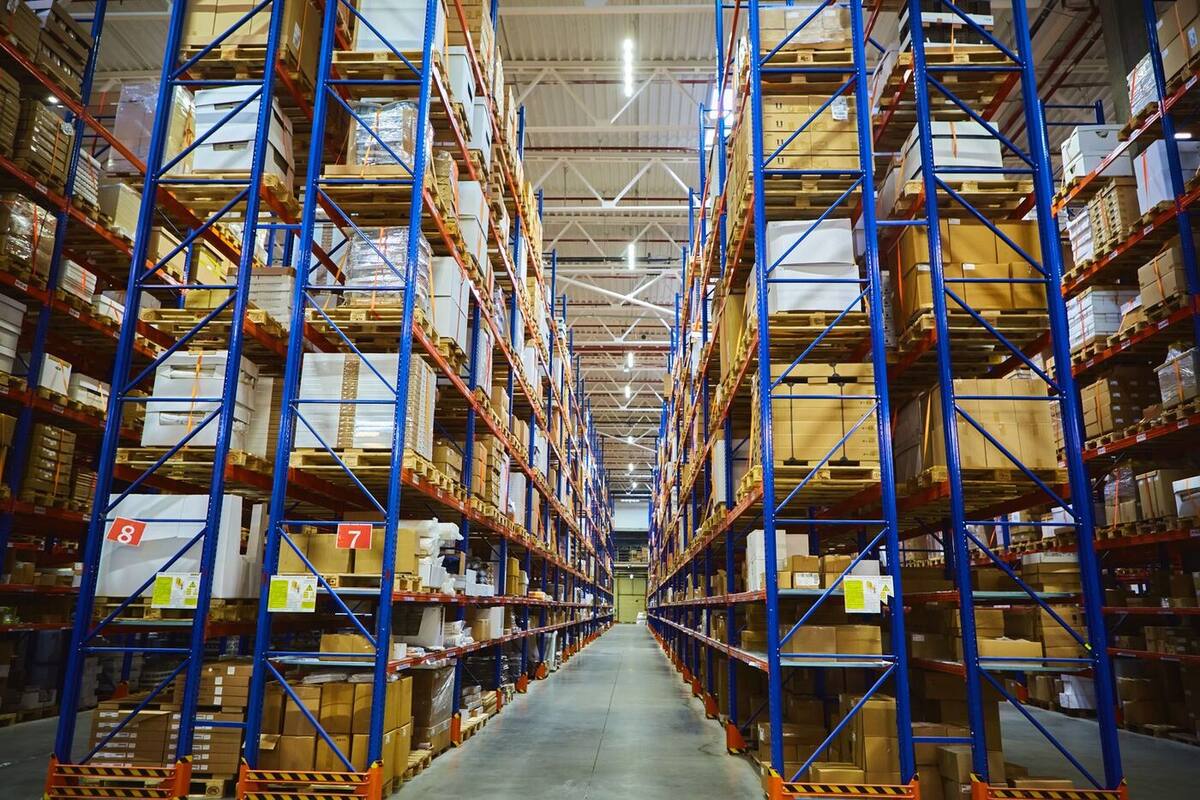
How each performance area is affected once Walmart is fulfilling. Specific metric definitions and thresholds are set by Walmart and change; confirm current standards in Seller Center.
| Performance area | Seller-fulfilled | With WFS |
|---|---|---|
| On-time delivery | Yours entirely | Walmart's execution |
| Valid tracking | Yours entirely | Walmart's execution |
| Cancellation from no stock | Yours | Still yours. Stock is your job |
| Order defect from packing error | Yours | Walmart's execution |
| Returns intake and processing | Yours | Walmart handles intake |
| Return rate caused by the product | Yours | Still yours |
| Listing accuracy and content | Yours | Still yours |
| Inbound shipment compliance | Not applicable | Yours, and charged |
| Response to customer messages | Yours | Largely yours |
Walmart sets and revises its own performance standards. Nothing here replaces the current Seller Center documentation.
In-stock rate. This is the honest counterweight to everything above. Self-fulfilling, your stock is wherever you hold it and you can ship from it the same day. With WFS, replenishment means ocean freight from India, customs clearance, receiving, prep, then an inbound shipment to a Walmart fulfillment centre, then receiving time at Walmart before units become sellable. Each step adds days and each step can stall.
Sellers who enrol in WFS and keep their old reorder cadence run out. Not because WFS is slow, but because they added two weeks of pipeline and did not extend the forecast horizon to match.
Holding a prepped buffer in the US is the structural fix. Stock already landed, inspected and labelled can be in a Walmart building in days rather than weeks, which turns an ocean-freight lead time problem into a domestic transfer. That is the main operational reason our clients keep a pool with us rather than shipping containers straight into WFS.
Leave your email and we will send an itemised WFS quote against your own product profile, plus which parts of this page change for your category. If WFS is the wrong call for you we will say so.
One email, a real reply from a founder. No automated sequence.
For the delivery-side metrics, largely yes. Once Walmart is picking, packing and shipping the order, late delivery and tracking failures are Walmart's execution rather than yours, and the metrics reflect that. It does not protect you on anything upstream: being out of stock, listing the wrong item, or sending non-compliant inventory are still yours.
No, and conflating them causes a lot of confusion. Formal chargebacks in the Walmart sense belong to the 1P supplier and drop-ship vendor world, governed by supplier agreements. As a marketplace seller using WFS, what you face is non-compliance and handling charges on inbound shipments, plus performance standards that can suspend listings.
Unscannable or missing GTIN barcodes, cartons that do not match the shipment plan, wrong carton labels, overweight cartons, mixed items where they should be segregated, and units needing work before they can be stowed. All of it is preventable at prep.
Walmart enforces performance standards more visibly than sellers expect, and persistent breaches can suspend listings or the account. Treat the standards as a hard operating constraint, not a dashboard.
Walmart handles returns intake on WFS orders, which removes a lot of the operational failure modes. It does not fix a product that genuinely disappoints people. A high return rate caused by the item itself remains your problem to solve at the product level.
Itemised quote in two minutes. $0.75/unit prep, $0.50/cu.ft storage, no minimums.
Get a quote →21 steps from idea to first US sale. Free PDF.
On its way!
Check your inbox — your PDF is heading there now.